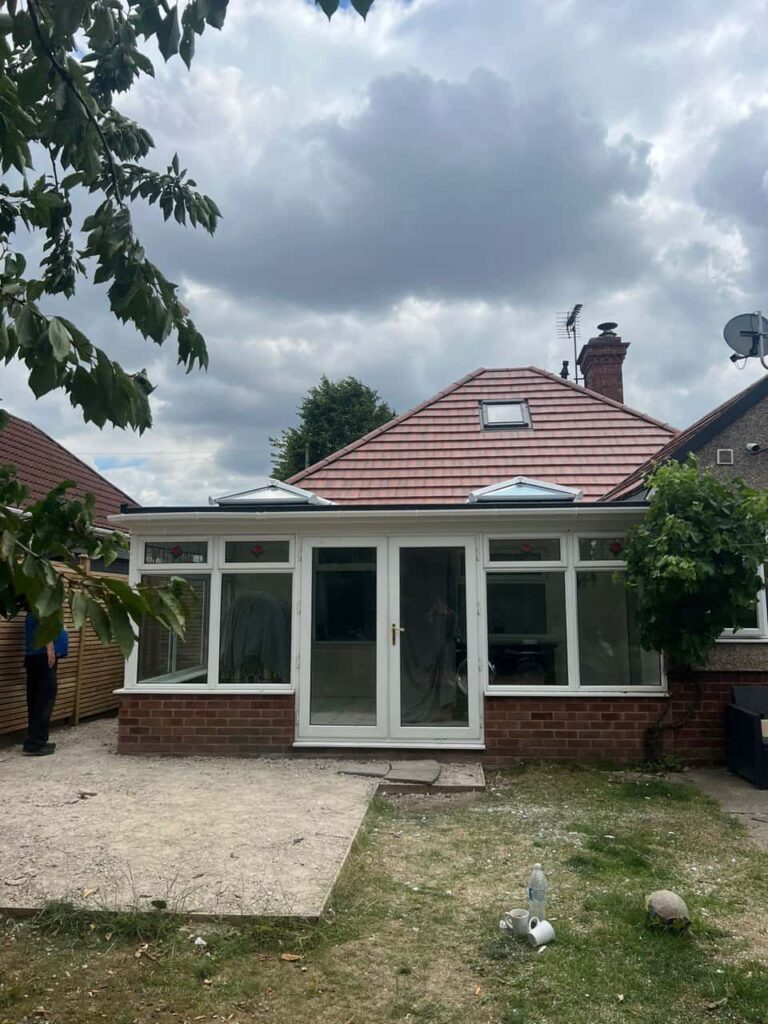
Every roof has a natural lifespan. While many roofing systems are designed to last for decades, age alone does not always determine whether replacement is necessary. The key question is not simply how old the roof is, but how well it continues to perform its protective function.
For homeowners in Midhurst, West Sussex, understanding when a roof becomes “too old” helps prevent avoidable damage and ensures your property remains structurally sound.
The Expected Lifespan of Common Roofing Materials
Different roofing materials age at different rates. Factors such as installation quality, maintenance and exposure to the elements all influence longevity.
Tiled and Slate Roofs
Traditional tiled and slate roofs can often last many decades when properly maintained. However, even durable materials gradually weaken.
Over time, you may notice:
- Increased brittleness
- Cracked or slipped tiles
- Deterioration of fixings and underlay
The visible surface may still appear intact, but underlying components can age more quickly than expected.
Felt and Flat Roof Systems
Flat roofing materials generally have shorter lifespans compared to pitched tile systems. Continuous exposure to sunlight, rainfall and temperature changes can accelerate wear.
Signs of ageing may include:
- Surface blistering
- Cracking along seams
- Reduced drainage performance
When these issues become widespread, the roof may no longer offer reliable protection.
When Age Becomes a Concern
A roof becomes too old when its performance declines to the point where repairs no longer provide a lasting solution.
Repeated Repairs
If your roof requires frequent patch repairs across different areas, it may indicate overall material fatigue rather than isolated defects. Continually repairing ageing materials may not restore long-term reliability.
Persistent Leaks
Water ingress is a strong indicator that age-related wear has reached a critical point. Leaks that recur despite repairs often suggest deterioration beneath the surface.
Moisture can weaken:
- Roof timbers
- Insulation
- Ceiling finishes
At this stage, replacement may offer a more dependable outcome.
Structural Movement or Sagging
Older roofs may begin to show subtle sagging or uneven rooflines. This can indicate that structural elements beneath the covering have been affected by prolonged wear or moisture exposure.
Visible structural change should always be professionally assessed.
The Role of Regular Inspections
Age alone does not automatically mean replacement is required. Some older roofs remain structurally sound due to proper maintenance and favourable conditions.
Professional inspections help to:
- Assess the condition of underlay and fixings
- Identify hidden moisture damage
- Determine whether repairs are sufficient
Working with experienced local specialists such as Midhurst Roofing Repairs ensures roofs in Midhurst are carefully evaluated with attention to both visible and structural components.
Conclusion
A roof is “too old” when it can no longer provide reliable protection, when repairs become frequent, or when structural integrity is compromised. While many roofing systems can last for decades, ageing materials and underlying components eventually reach the end of their service life.
For homeowners in Midhurst, West Sussex, arranging a professional assessment provides clarity about your roof’s condition. Taking action at the right time helps protect your property, maintain structural stability and ensure your home remains secure for years to come.
Call us on: 01730 771 382
Click here to find out more about Midhurst Roofing Repairs
Click here to complete our contact form and see how we can help with your roofing needs.