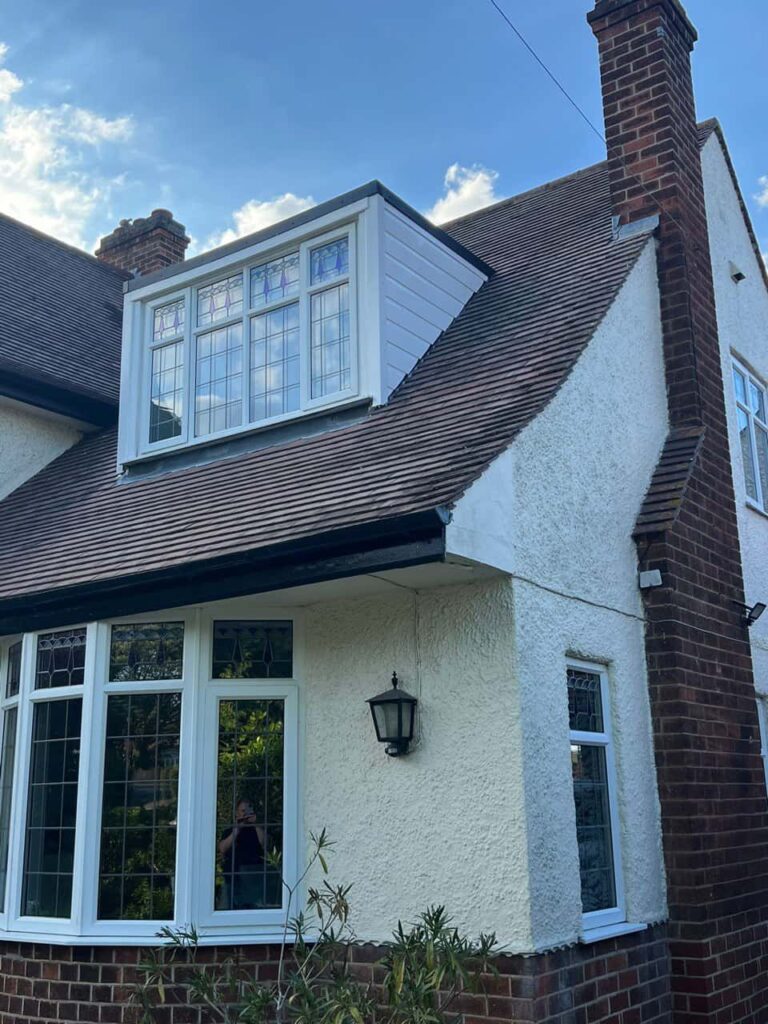
Roof deterioration does not always remain confined to one tile, flashing detail or roof slope. When materials across several areas begin failing at a similar time, completing isolated repairs may leave connected weaknesses unresolved.
Treating widespread deterioration as one carefully planned project allows the roof to be considered as a complete system. For property owners in Midhurst, West Sussex, this approach can provide a clearer understanding of the damage and help ensure that the completed work delivers consistent protection.
Why a Coordinated Approach Can Produce Better Roofing Results
The appropriate scope depends on the roof’s actual condition. Addressing several defects together does not automatically mean replacing the entire roof, but it does allow repairs, partial renewal or re-roofing to be planned around the full pattern of deterioration.
1. Connected Problems Can Be Identified
A cracked tile, deteriorated flashing and damp underlay may appear to be separate faults. In some cases, however, they form part of the same water-ingress route.
Water can enter through one defect, travel beneath the covering and emerge inside the property some distance away. Treating only the most visible problem may therefore leave the original entry point or surrounding damage untouched.
A complete assessment can examine:
- tiles or slates across each affected slope
- ridges, valleys and roof edges
- chimney and wall junctions
- previous repair areas
- accessible underlay and battens
- signs of moisture within the roof space
This broader view helps establish how the defects relate to one another.
2. Hidden Deterioration Can Be Addressed Properly
The visible roof covering is only one part of the system. Underlay, battens, decking and supporting timber may also be affected, particularly where water has entered over an extended period.
A coordinated project can include opening selected areas or removing deteriorated covering where necessary. This provides access to concealed components so they can be inspected and repaired before the surface is reinstated.
Without this investigation, new tiles or surface repairs may be installed over materials that are already weakened.
3. Repairs Can Be Integrated Consistently
Work completed at different times may use materials, fixing methods or details that weather differently. Over many years, a roof can develop into a patchwork of repair sections with vulnerable joints between them.
Planning the work as one project allows materials and installation details to be considered together. Tiles, underlay, battens, flashing and weatherproof junctions can be integrated rather than relying on numerous separate repair boundaries.
This creates a more coherent result across the affected areas while avoiding unnecessary work on sections that remain sound.
4. Water Management Can Be Improved Across the Roof
A roof must direct water from the upper slopes towards gutters without allowing it beneath the covering. Widespread deterioration can disrupt this process at several points, particularly around valleys, ridges, verges and adjoining walls.
Addressing these areas together allows the contractor to review how water moves across the complete roof. Incorrect overlaps, damaged channels, failed flashing and deteriorated edge details can be corrected as part of one drainage strategy.
This is especially important where dampness has returned despite previous repairs to individual locations.
5. The Roof Becomes Easier to Maintain
A roof containing many isolated repairs can be difficult to assess during future inspections. New deterioration may develop beside older patches, while differences in material condition can make it harder to understand which areas require attention.
A coordinated project establishes a clearer and more consistent condition across the treated sections. Future maintenance can then focus on genuine new defects rather than repeatedly revisiting known areas of widespread deterioration.
The work can also identify sound sections that should be monitored, helping create a more practical maintenance plan for the whole roof.
When Is a Single Project Worth Considering?
A broader roofing project may be appropriate when:
- leaks are appearing in several areas
- multiple roof slopes contain damaged materials
- earlier repairs are deteriorating together
- underlay or battens may be affected
- several junctions show signs of failure
- defects continue to appear after local repairs
- moisture has spread beyond one visible entry point
These signs do not confirm that complete replacement is required. Depending on the findings, targeted repairs or partial renewal may still provide an effective solution.
Why Professional Assessment Comes First
The scale of visible damage does not always reflect the condition beneath the roof covering. A professional assessment should identify which components are failing, which remain serviceable and how the defects influence one another.
This prevents sound materials from being replaced unnecessarily while ensuring that connected weaknesses are not overlooked. The recommended project can then be based on evidence rather than the number of visible faults alone.
Conclusion
Dealing with widespread roof deterioration as one project can reveal connected defects, provide access to hidden damage and create more consistent repairs. It can also improve water management and make the roof easier to inspect and maintain in the future.
The right approach may involve coordinated repairs, partial renewal or complete replacement, depending on the findings. If your roof in Midhurst, West Sussex is deteriorating across several areas, Midhurst Roofing Repairs can assess the complete system and recommend proportionate work. Contact the team to arrange a professional inspection.
Call us on: 01730 771 382
Click here to find out more about Midhurst Roofing Repairs
Click here to complete our contact form and see how we can help with your roofing needs.