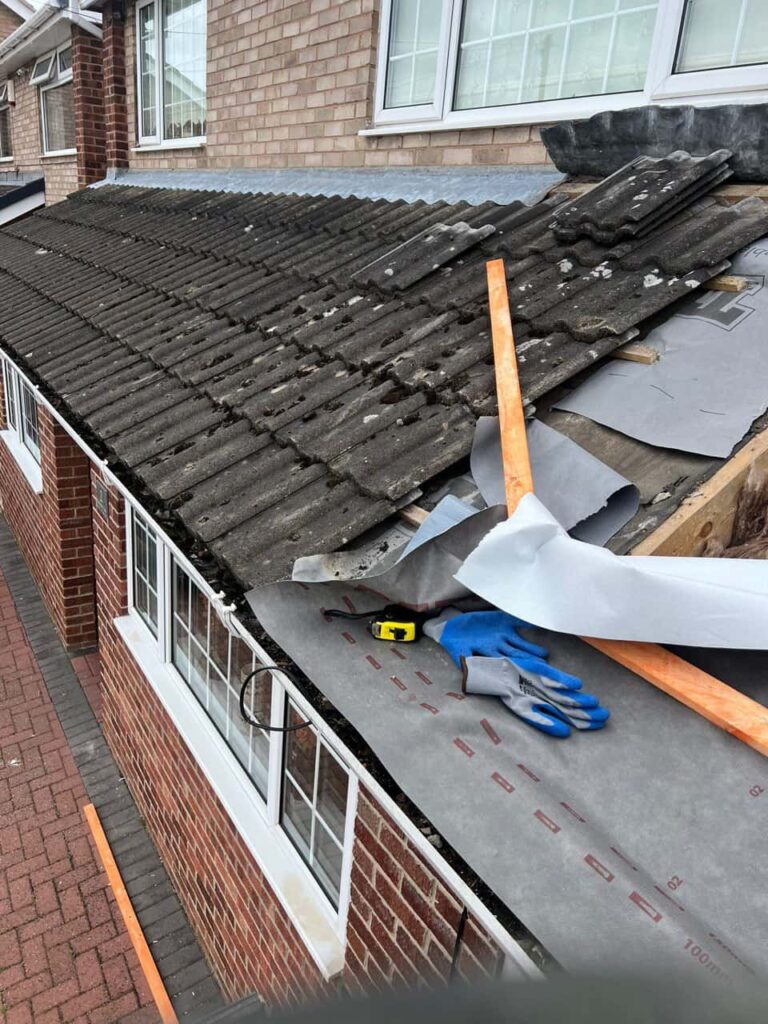
A new roof is a significant improvement that affects the appearance, weather resistance and long-term reliability of a property. The installation itself is important, but many of the decisions that shape the finished result should be made before the existing covering is removed.
For homeowners in Midhurst, West Sussex, agreeing the following details with a professional roofer can help the project proceed in a clear and organised way.
Seven Decisions to Make Before a New Roof Is Installed
Careful preparation gives the roofing contractor a clear specification and helps prevent important details from being decided hurriedly once work is under way.
1. The Full Scope of the Roofing Work
The first step is to establish exactly which parts of the roof will be renewed. A project may involve the main covering alone or include connected areas such as dormers, porches, extensions, chimney junctions and garage roofs.
The roofer should assess whether these sections can remain separate or need to be incorporated into the new system. Agreeing the scope prevents vulnerable junctions from being overlooked and creates a clear plan for the complete roof.
2. The Type and Appearance of the Roof Covering
Tiles and slates vary in profile, weight, colour, texture and fixing method. The selected covering should suit the roof pitch, supporting structure and character of the property.
Samples can help show how a material will look across a larger area. The final choice should also consider ridge, hip and verge details so that the complete roof has a consistent appearance rather than relying on the main tiles alone.
3. How Concealed Materials Will Be Handled
Removing the old covering exposes the underlay, battens and accessible roof timbers. Their exact condition may not be fully visible beforehand, particularly where previous leaks have occurred.
The planned work should explain which concealed materials will be renewed as standard and how unexpected deterioration will be assessed. This ensures that new tiles or slates are installed over sound, properly prepared support.
4. The Ventilation and Roof-Space Approach
A roof must manage moisture as well as exclude rain. Inadequate airflow can allow condensation to develop within the loft, affecting insulation and accessible timbers.
Before installation begins, the roofer should consider how air will enter, move through and leave the roof space. Eaves, ridge or other suitable ventilation details can then be incorporated into the roofing system rather than added after the covering has been completed.
5. The Treatment of Chimneys, Valleys and Drainage Details
Many roofing problems begin at junctions rather than across the open roof slopes. Chimneys, abutments, valleys, roof windows and changes in level all require carefully planned weatherproofing.
The position and condition of gutters should also be considered. Water must move from the roof covering into the drainage system without reaching the supporting timber or walls beneath. Agreeing these details early allows flashing, underlay and coverings to be fitted in the correct sequence.
6. Access and Protection Around the Property
The contractor will need safe access to the roof and space for materials, equipment and waste removal. Driveways, patios, lawns, windows and planting close to the working area may require protection.
It is also helpful to identify which entrances, parking areas or garden routes need to remain accessible. A clear site plan reduces avoidable disruption and ensures everyone understands how the property will be used while the work is taking place.
7. The Work Sequence and Communication Plan
A new roof is installed in stages, from removing the existing covering to preparing the structure and completing the weatherproof details. Understanding this sequence helps homeowners know what to expect each day.
The contractor should explain how the roof will be protected while exposed, how weather delays will be managed and who will provide updates during the work. It is also useful to agree how any concealed defects discovered after removal will be documented and discussed before additional work proceeds.
Why a Detailed Roof Inspection Matters
Pre-installation planning depends on an accurate understanding of the existing roof. An inspection should consider the covering, roofline, chimneys, valleys, flashings, drainage and accessible areas within the loft.
This information helps distinguish between components that can remain and those that should be renewed. It also allows difficult junctions to be planned before materials are ordered and work begins.
Avoiding Decisions Based on Appearance Alone
The visible tiles or slates are only part of the roofing system. A material may suit the property visually but still require a particular pitch, batten spacing or fixing arrangement.
Professional guidance connects the chosen appearance with the technical requirements of the roof. This ensures that the finished result is not only attractive but also correctly supported and weather resistant.
Confirming the Finished Details
Small finishing decisions can have a noticeable effect on the completed roof. Ridge lines, verge treatments, flashing, gutter alignment and the way coverings meet adjoining roofs should all be clear in advance.
Reviewing these details with the roofing contractor creates a shared understanding of the expected result. It also reduces the likelihood of inconsistent finishes across different sections.
Conclusion
Before a new roof is installed, settle the project scope, covering material, concealed components, ventilation, weatherproof junctions, site access and work sequence. These seven decisions help the roofing system function as a complete, coordinated structure.
Midhurst Roofing Repairs can assess your existing roof and explain the practical details that should be agreed before replacement begins. If you are planning a new roof in Midhurst, West Sussex, contact our team to arrange a professional assessment.
Call us on: 01730 771 382
Click here to find out more about Midhurst Roofing Repairs
Click here to complete our contact form and see how we can help with your roofing needs.